
When cash flow becomes unpredictable, knowing what is coming over the next few months can make a significant difference. Discover how a 90-day cash flow forecast can help business owners prepare for upcoming expenses, manage financial commitments and make better decisions during challenging periods.
When business finances become unpredictable, it is easy to focus on whatever needs attention today. A supplier payment is overdue, wages are approaching, the ATO balance is growing and there never seems to be quite enough cash available.
But what about next month? Or the month after that?
One of the biggest challenges for businesses experiencing financial pressure is not knowing what lies ahead. Without a clear picture of upcoming income and expenses, decisions can become reactive rather than planned.
This is where a 90-day cash flow forecast can make a real difference.
A cash flow forecast is not simply a record of what your business has already earned or spent. It is a forward-looking estimate of the money expected to come in and go out over a specific period. Looking ahead over 90 days can help business owners identify potential shortfalls before they become urgent problems.
Start by looking at the money you realistically expect to receive. Consider outstanding customer invoices, upcoming projects, regular sales and any other expected income. Be realistic about payment dates rather than assuming every customer will pay on time.
Next, map out the expenses your business needs to cover. This may include wages, rent, supplier invoices, loan repayments, insurance, tax obligations and other operating costs.
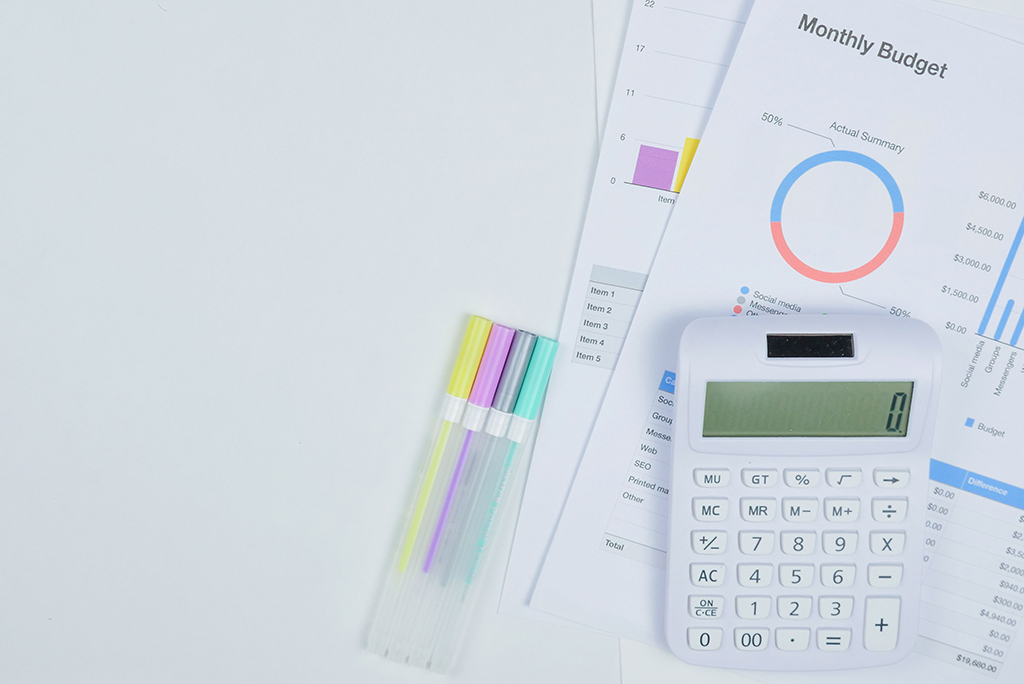
Once these figures are brought together, you can start identifying where cash flow may become tight.
For example, you might discover that several large expenses are due in the same fortnight, while your expected customer payments are not arriving until later. Knowing this in advance gives you an opportunity to review your options rather than waiting until payments are overdue.
You may be able to adjust purchasing schedules, follow up outstanding invoices, review discretionary spending or discuss payment arrangements with relevant creditors. If ATO debt is contributing to the pressure, it may also be worth reviewing your tax position and exploring whether a suitable payment arrangement or eligible interest remission request is available.
The important thing is to make decisions based on what the business can realistically afford, not simply what it hopes will happen.
A 90-day forecast should also be reviewed regularly. Business conditions change, customers pay late, unexpected expenses arise and sales can fluctuate. Updating your figures each week helps keep the forecast relevant and gives you a clearer understanding of your financial position.
At Tax Negotiators, we understand that managing business debt can be challenging, particularly when several financial commitments are competing for attention. We help Australian businesses assess their ATO obligations and explore practical options for managing financial pressure.
You do not need to wait until your business runs out of cash to start planning.
Sometimes, having a clearer picture of the next 90 days is the first step towards getting your business back on more stable ground.